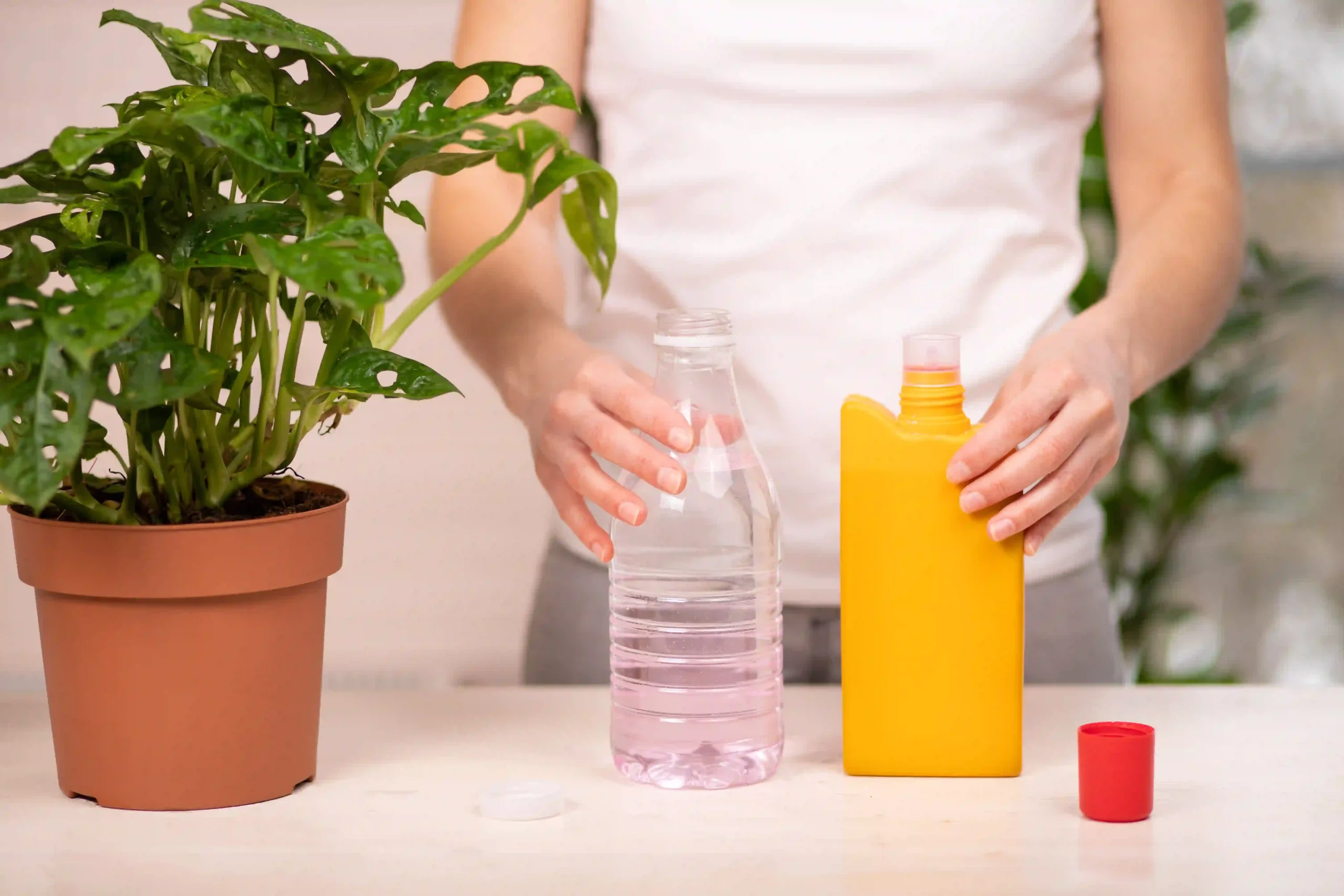
Making your own All-Purpose Cleaner lets you control the scent, strength, and purpose for any living space in Austin, TX. Commercial products often contain strong chemicals that can irritate skin and damage surfaces. Homemade cleaners are made of natural ingredients like vinegar, lemon, alcohol, baking soda, and Castile soap. You can keep your home clean and fresh without harsh chemicals by relying on these effective cleaning tips.
Ingredients and Equipment
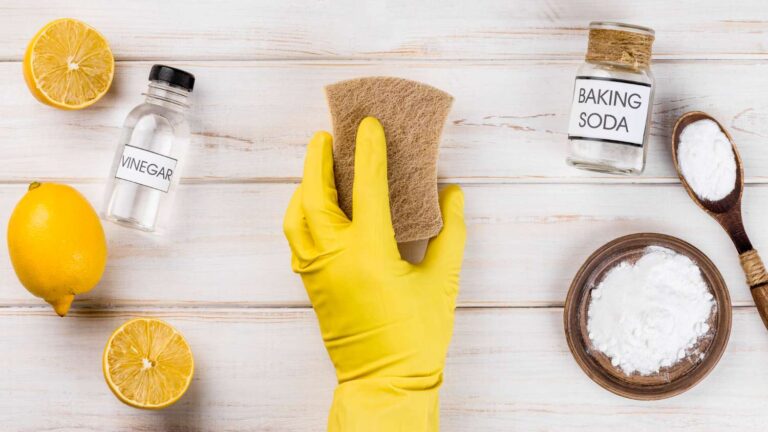
Distilled white vinegar:
It acts as the main cleaning agent, helping to remove sticky residue and bad smells. It is affordable and works as a natural disinfectant due to its acidity.
Filtered Water:
Always use distilled water, as it helps your multi purpose cleaner last longer for several weeks. It maintains the pH level since it has no impurities and effectively dilutes the vinegar and soap.
Essential Oils:
Essential oils are optional, depending on your preferred scent and strength. You can add them accordingly. These oils help fight germs, add a calm fragrance, and remove grease stains.
Baking Soda:
It adds gentle scrubbing power for sinks and plays a key role in cleaning. A small amount of baking soda is enough to clean effectively without leaving any residue.
Castile soap:
These are plant-based cleaners that can effectively remove dirt from most surfaces. They can be used as common ingredients in vinegar-based or dishwasher cleaners. You can also use washing soda as an alternative if it’s not available.
You’ll need some equipment, like:
- Spray Bottle
- Measuring Cups and Spoons
- Mixing Bowl
- Funnel
- Label or Marker
To make your process quick, smooth, and mess-free while keeping your homemade cleaner fresh and easy to use.
Source: DIY All Purpose Cleaner
Step-by-Step Vinegar-based Cleaner Guide
A vinegar-based cleaner is one of the most effective and frequently used cleaners according to every aspect of cleaning. Here’s the step-by-step guide to make it:
Step 1: Gather Your Ingredients and Tools
Before you start, collect everything you need according to the surfaces you’ll clean. Some ingredients, like vinegar, are best for tiles, glass, and stovetops, but not good for marble or granite. Always make sure to test on a small area first before you apply your cleaner to any large surface.
Step 2: Prepare Your Bottle
Always make sure your spray bottle is free from any kind of old residue or chemicals. It’s best to use a glass bottle because using essential oils for cleaning can sometimes react with plastic. Place a funnel in the bottle’s opening to make pouring easier.
Step 3: Add the Vinegar and Fragrance
Distilled white vinegar acts as the main cleaning agent. So, pour in 2 cups of distilled or boiled water with half a cup of white vinegar. You can personalize the fragrance of your DIY all-purpose cleaner by adding 10–15 drops of essential oils, citrus peels, and herbs.
Step 4: Store in a cool place
After mixing all ingredients, shake it well and close the cap tightly. This helps mix all ingredients evenly. Label your bottle with the date and name of the cleaner. Keep it away from harsh sunlight and store at a normal temperature. Homemade cleaners usually last 2–3 weeks.
All-Purpose Alcohol-Based Cleaner
An alcohol-based DIY all-purpose cleaner is mainly used for high-touch areas like countertops, mirrors, doorknobs, and bathroom fixtures. Among the different types of cleaning, this one works as a powerful disinfectant for bacteria and viruses and kills germs quickly. The main ingredient is Isopropyl alcohol, which is best at 70% concentration for a DIY everything cleaner. Add equal parts of water to it. Due to the strong scent of alcohol, you can include essential oils accordingly for a pleasant scent. It’s a chemical-based cleaner that evaporates quickly and leaves no streaks. Store the mixture in a bottle and shake gently before every use. It’s safe for non-porous areas but can damage wooden or painted areas.
Source: Drugs Isopropyl Alcohol Article
How to Make a Lemon Juice-Based Cleaner
A lemon juice-based cleaner is mainly used as a Multi-Surface Cleaner for cutting grease and removing stains. Lemon juice contains citric acid as its primary ingredient. Its natural acidity removes stains and breaks down grease and hard water spots. To make it, mix ½ cup of lemon juice with an equal proportion of water and baking soda in a spray bottle. White vinegar can add extra cleaning power. It has a fresh, citrus scent, but adding lemon or tea tree oil can change the fragrance accordingly. Shake the bottle gently before each use. Apply it on surfaces like the kitchen, stovetops, glass, and tiles. Avoid using it on marble or granite, as the acid can damage natural stone.
Create your own Castile Soap Cleaner at Home
Castile soap cleaner is a natural, 100% biodegradable soap made from natural elements like olive or coconut oil. To prepare it, mix 1 tablespoon of liquid Castile soap with 1 quart (4 cups) of warm water in a spray bottle. It’s free from synthetic chemicals and effective for everyday cleaning. Shake gently before each use. This cleaner works perfectly on pet areas, kitchen surfaces, countertops, floors, appliances, and bathroom surfaces. Always make sure to avoid using it with vinegar or acidic ingredients. They can break down the soap and reduce its effectiveness.
Uses for Homemade Multi-Surface Cleaner
You can use your DIY surface cleaner almost anywhere:
- Perfectly remove everyday spills, oil splashes, and food stains to keep your kitchen surfaces and stovetops shiny and hygienic.
- Wipe bathroom buildup, tiles, faucets, and tubs, and remove hard water stains.
- Effectively cleans household appliances like microwaves and refrigerators, leaving them fresh and spotless.
- To safely clean delicate areas like marble or granite, reduce the vinegar ratio and mix it with more distilled water. Always use a mild cleaning solution for records instead of harsh chemicals.
Right way to use different Cleaners
Firstly, shake the bottle before every use. Then, spray the cleaner directly on surfaces like countertops, sinks, tiles, and glass, and wipe with a clean cloth. Vinegar acid can cause damage the delicate surfaces, so you should avoid using on these kind of surfaces. For more tips and safe cleaning guidance, visit Azure Cleaning and discover easy ways to keep your home sparkling.
Frequently Asked Questions (FAQs)
What are the safety measures to consider while using?
Natural cleaners can be harmful if mixed incorrectly. Never mix vinegar with bleach or ammonia. For sensitive skin, you should wear gloves while cleaning.
How long can I store my household cleaner?
Most DIY cleaners usually last 2 to 3 weeks. For a better experience, store them in a cool, dark place. Label every cleaner and shake well before use.
Can I mix vinegar with Castile soap?
No. Mixing vinegar and Castile soap can be harmful. It causes the soap to break down and lose its cleaning ability. Use either vinegar-based or Castile soap-based cleaners separately.
Why make my own multi-purpose cleaner?
Homemade cleaners are safe, affordable, and customizable, unlike store-bought ones with harsh chemicals. You control the scent, strength, and purpose.