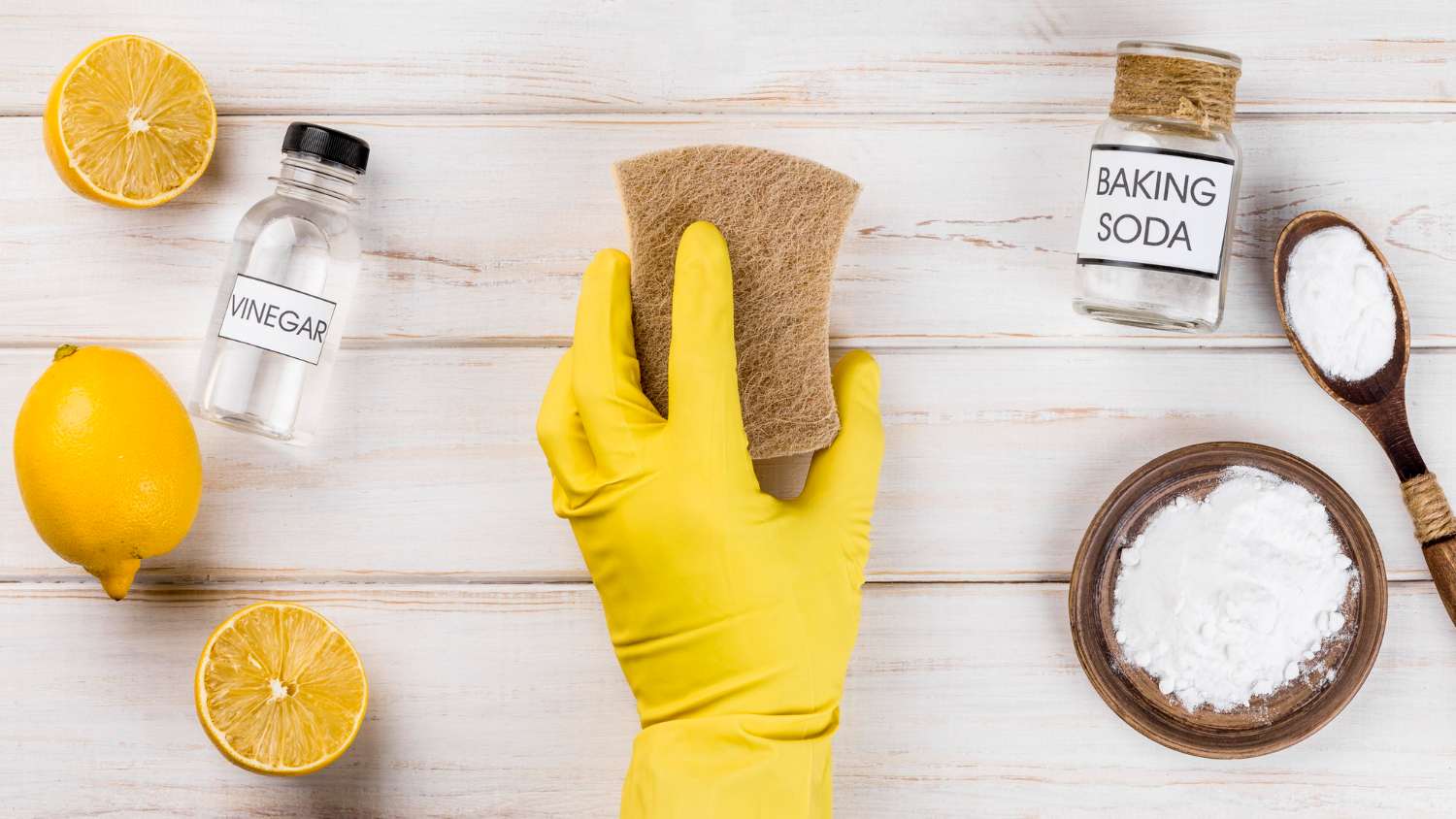
Vinegar is a versatile cleaner frequently used for household cleaning. Cleaning with vinegar removes smells, breaks down stains, and helps clean many surfaces easily. It is safe and easy to find, and it works well in kitchens and bathrooms when used alone.
But combinations of some products with vinegar can cause horrible reactions. Some mixes can produce toxic gases, harsh acids, and strong chemicals. They lead to symptoms of serious health problems. You can follow effective cleaning tips and hacks to avoid these vinegar cleaning hazards. So it is important to know about vinegar and its dangerous cleaning combinations.
1. Vinegar and Bleach
Mixing vinegar with bleach is a lethal combination. Bleach is also known as Sodium hypochlorite, a liquid form of Chlorine. When you mix vinegar with bleach, these two products react with each other, creating a harmful gas called chlorine gas. Even small amounts of this gas are difficult to inhale and cause health problems.
Symptoms of chlorine gas exposure include:
- Coughing
- Watery eyes
- Chest tightness & pain
- Shortness of breath
- Nausea or vomiting
- Wheezing or noisy breathing
If you notice any abnormal symptoms, such as coughing, chest tightness, or burning eyes, contact a nearby medical center right away. Once the area is ventilated, carefully dispose of the spill, because leftover residue can still be harmful. To clean safely, always use bleach alone or vinegar alone, even if you rinse one after the other
Source: Vinegar with Bleach
2. Vinegar and Hydrogen Peroxide
One common household cleaning mistake is mixing Hydrogen peroxide with vinegar. It is a strong cleaner that kills germs and helps remove stains. But if hydrogen peroxide and vinegar are combined in the same bottle. They form peracetic acid, a corrosive chemical that can burn the skin and cause respiratory discomfort. It is a powerful disinfectant for laundry, window glasses, kitchen, and bathroom surfaces. However, mixing it with vinegar is unsafe. Instead of mixing it with vinegar, use each product separately for safe and effective move-in and move-out cleaning.
3. Vinegar and Ammonia
Ammonia should never be mixed with vinegar, because this combination creates toxic chloramine vapors. These vapors can cause coughing, headaches, and difficulty breathing. They can also irritate your throat and eyes. Ammonia is found in many window cleaners, as well as bathroom and kitchen cleaners. It is often used to cut tough grease, stains, and dirt from ovens and grills.
Some people think mixing ammonia with vinegar will make a stronger cleaner. Because this is a very dangerous cleaning combination with vinegar. Even small amounts of chloramine gas can make a room unsafe. Always keep vinegar and ammonia far apart, and read labels carefully. If a cleaner contains ammonia, never use it with vinegar.
Other Substances to Keep Away from Vinegar
Some household products should never be mixed with vinegar. Because combining them can create harmful reactions or even toxic gases. These vinegar plus other cleaners toxic gas reactions can affect your health. It can also damage surfaces in your home. For example,
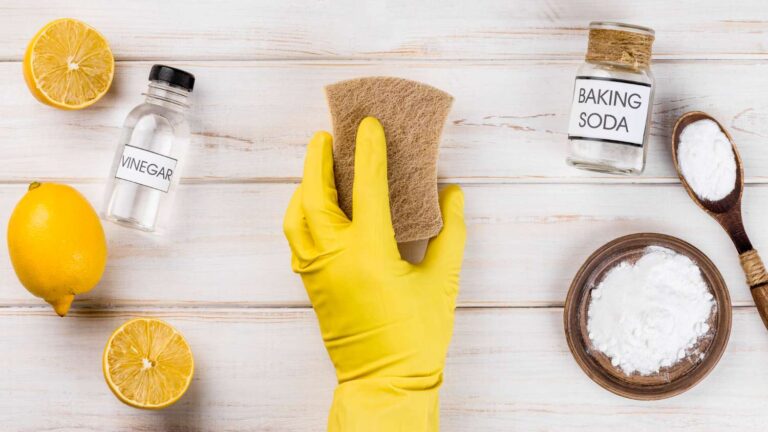
- Baking soda is a chemical-free cleaning agent. When combined with vinegar, it fizzes and cancels out both cleaners. And both become less effective.
- Castile soap can curdle when mixed with vinegar, leaving a thick, sticky mess that is hard to clean.
- Metal-based cleaners or products made for metal surfaces. They can react with vinegar’s acidity, causing corrosion or damage. For cleaning, always use these products separately and never mix them with vinegar.
Safety Measures for Vinegar Cleaning Hazards
Here are some important Vinegar Safety Tips suggested by Azure Cleaning to help you clean effectively without risking harmful reactions.
- Use vinegar separately from bleach, ammonia, or hydrogen peroxide.
- Use each cleaning product separately and follow the label instructions.
- Work in a well-ventilated area by opening windows and doors.
- Wear gloves to protect your skin.
- Avoid touching your face or eyes while cleaning.
- Store vinegar and other strong cleaners separately to prevent accidental mixing.
- If fumes are accidentally released, leave the area immediately and breathe fresh air.
- Let the air escape, then carefully clean the spilled residue.
Final Thoughts
Vinegar is helpful, but you must use it wisely. Understanding these vinegar cleaning hazards will help you avoid toxic gas and other dangerous reactions. Keep bleach, hydrogen peroxide, and ammonia away from vinegar. Clean one product at a time, and stay safe while cleaning your house.If you want more tips on safe home care, many local guides in Austin, TX also explain safe and responsible cleaning practices.
Frequently Asked Questions (FAQs)
Why should you never mix vinegar cleaning products?
Vinegar can create toxic gases or corrosive chemicals with cleaning products. These reactions can harm your health and damage surfaces in your home.
What are the symptoms of exposure to Chlorine gases?
Coughing, chest tightness, watery eyes, shortness of breath, headaches, nausea, and throat or eye irritation.
How can I clean safely with vinegar?
Always use vinegar alone, work in a ventilated area, wear gloves, and store it separately.
On Which Surfaces Can’t Vinegar Be Used?
Vinegar should not be used on natural stone like granite, marble, or limestone, or on hardwood floors, cast iron, knives, or clothing irons. Because it can damage or corrode these surfaces.